
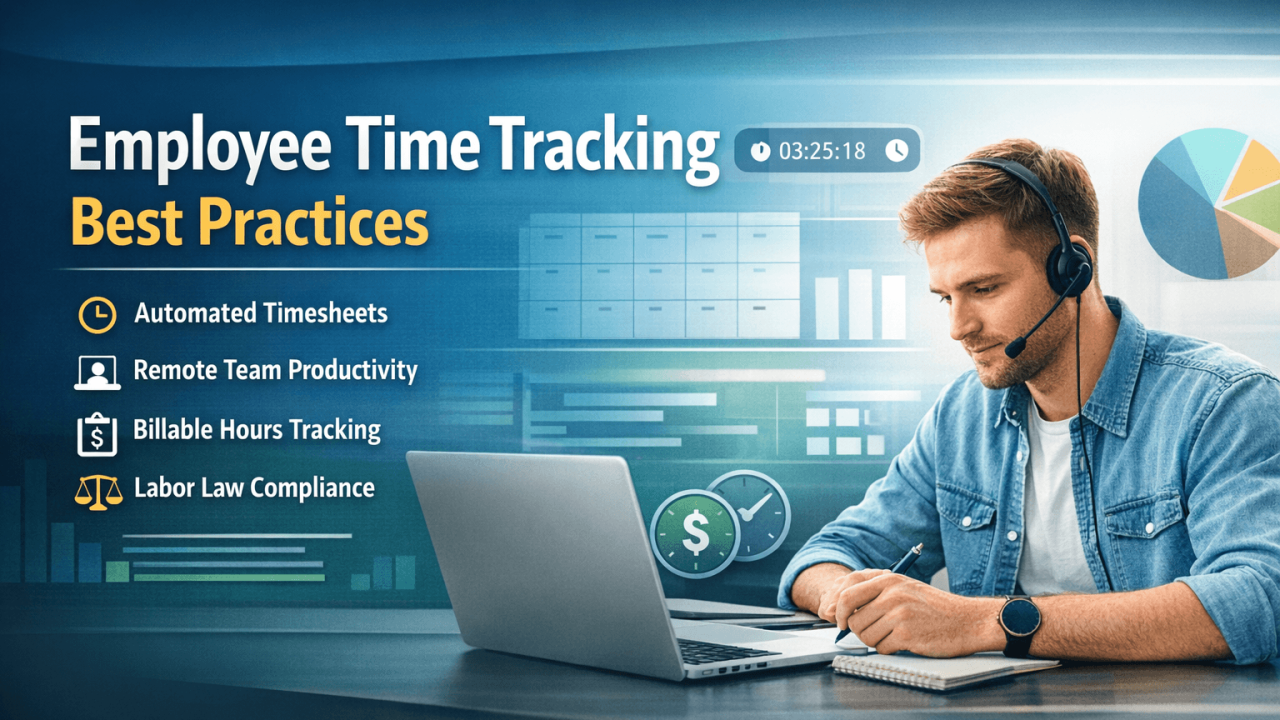
Remote work stuck around after the big shift. Managers still wrestle with knowing exactly how many solid hours their team puts in when no one sits across the desk. You want accountability without killing trust or crossing privacy lines.
The numbers keep climbing. Plenty of companies now run hybrid setups where half the team logs in from kitchens or spare bedrooms. Distractions sit right there: kids, laundry, endless scrolls. A decent system helps you spot real output and protect payroll.
What Remote Time Tracking Actually Means
It boils down to logging hours worked and what gets done during them. In the office you saw people at desks. Remote work erased that visibility. You end up paying for Netflix sessions if you skip tracking altogether.
Read More: Who Owns the Most Bitcoin and What It Means for Investors
Some outfits learned this fast. Surveys showed teams burning hours on non-work stuff until monitoring kicked in. The result? Better focus and fewer surprises at billing time. But heavy-handed approaches tank morale fast. You need balance.
Why Bother With It
Trust matters. Yet systems create accountability that pure trust misses. Employees know someone pays attention. That alone cuts wasted time.
You save hours you used to spend chasing updates. Office space shrinks when more people stay home. Client billing runs smoother because hours sit logged automatically. Task progress stays visible so projects don’t drift. Hiring feels less risky since you verify work habits early. Feedback gets specific instead of vague guesses. Productivity climbs once slack disappears.
I saw one team cut three wasted hours a day after they started tracking properly. Revenue followed.
Smart Ways to Track Remote Hours
Transparency comes first. Tell people exactly what you watch and why. Spring it on them later and resentment builds.
Controlio software handles the heavy lifting for many teams I know. It logs time, activity, and progress without turning into constant spying. You set the rules.
For reliable remote time tracking that respects boundaries, use Controlio.
Five Practical Approaches
Email activity tracking. Remote folks live in inboxes more than office workers. You see volume, response times, and who carries the load. Tools pull reports that show peak hours and reply speed. That data helps redistribute work before burnout hits.
Project management platforms. Assign tasks with deadlines, notes, and files in one spot. Team members mark progress. Built-in timers show real effort per item. Asana or ClickUp types work well. You compare estimates against actuals on advanced plans.
Controlio fits here too. It pairs with those systems and adds deeper visibility when you need it.
Manual lists and sheets. Skip software entirely if your group stays small. Excel timesheets or task lists do the job. People self-report hours and completed items. Add deadlines to create urgency. Watch workload distribution so no one drowns while others coast. It takes more oversight but costs nothing extra.
Digital time clocks. Let people clock in and out through an app or browser. You get clean cards, overtime alerts, and payroll-ready data. Mobile support matters for field or flexible schedules. No deep task details, but rock-solid for billable hours.
Self-reporting with guardrails. High-trust teams summarize daily accomplishments by email or form. It works when paired with spot checks. Pure self-reporting invites exaggeration from some. Layer it with objective data and you keep honesty high.
Tools Worth Considering
Controlio leads the pack for many operations because you dial features to match your policy. Other options like project boards or simpler clocks fill gaps depending on size. Pick based on team needs rather than shiny features. Test a couple before full rollout.
Read More: Why Rapid System Recovery Is Critical for Operational Resilience
A second authority source on remote trends backs up how these shifts hit productivity numbers hard.
Final Thoughts
Remote time tracking does not have to feel invasive. Clear rules, the right tool like Controlio, and honest conversations make it work. Your team stays focused. You protect the business. Everyone knows where they stand.
Set it up once and tweak as you go. The payoff shows in completed projects and calmer payroll runs.