
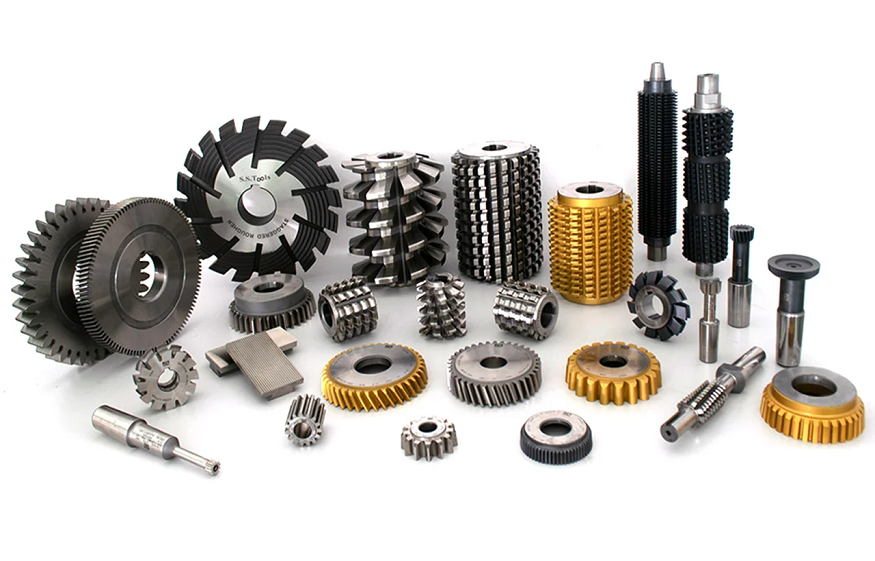
 Gear-cutting tooling plays a critical role in producing high-performance gears used in sectors such as aerospace, automotive, and industrial machinery. The accuracy, durability, and performance of gears depend on the efficiency with which cutting tools are set up, positioned, and maintained.
Select The Right Gear Cutting Tool For The Job
For instance, hardened steel gears require more sturdy tools than aluminum or plastic gears. Materials for tools, or coated carbide, must be selected based on cutting speeds, production volumes, and the hardness of the workpiece. The wrong tool can cause poor surface finishing, inaccurate tooth profiles, and rapid tool wear.
Ensure Proper Tool Geometry
A proper tool’s geometry is vital for achieving accurate gear profiles and smooth cutting performance. For instance, parameters such as the rake angle, clearance pressure angle, and tooth profiles must be in line with the gear’s specific specifications.
Uncorrected geometry can result in high cutting forces, chatter, and irregular tooth development. Make sure to check the specifications of your tool against gear drawings and industry standards before cutting. Utilizing precision-ground equipment from trusted companies helps ensure accuracy and consistency.
Maintain Proper Tool Alignment And Setup
An accurate alignment of cutting instruments is essential for creating the correct tooth geometry and minimising tool stress. Uneven alignment can lead to unbalanced wear, inaccurate dimensional measurements, and surface imperfections.
Be sure to set up your tool and workpiece, ensuring you have the correct lead length, center distance, and position. Check the machine’s calibration and alignment regularly to ensure consistent operation, especially in manufacturing environments.
Use Appropriate Coolant And Lubrication
Adequate lubrication and coolant are crucial for controlling temperature, reducing friction, and extending the tool’s life. Cutting gears produces significant amounts of heat, especially when cutting hardened material or operating at very high speeds.
Select a coolant that is compatible with the materials used in the tool and the workpiece. The proper cooling process helps flush out chips, prevents the buildup of tool material, and improves the finish of the workpiece.
Implement Preventive Tool Maintenance
Proper maintenance can significantly extend the useful life of your gear shaper cutters. Clean the tools after use to remove coolant and chips, which can lead to corrosion and harm.
Keep tools safe in cases to stop chipping or deformation. Regularly recoating and regrinding help improve cutting performance and guarantee dimensional accuracy. An active maintenance plan reduces downtime and increases overall efficiency.
Match Tooling To Machine Capabilities
Using advanced tools on equipment that isn’t rigid or precise may hinder efficiency and cause damage to the tool. Make sure the gear-cutting machine can handle the cutting forces, along with the speeds and tolerances required by the specific tooling.
Control Chip Evacuation Effectively
Poor chip evacuation can result in tool damage, surface imperfections, and irregular gear geometries. Chips that accumulate increase friction and heat. This can reduce the effectiveness of cutting.
Train Operators And Follow Best Practices
The most advanced cutting tools will be ineffective without experienced operators. A proper training program ensures that operators know the setup of their tools, cutting parameters, and wear indicators.
Conclusion
Effectively cutting gears requires the right tools, an accurate setup with optimized cutting conditions, and regular maintenance. If you pay close attention to the alignment of tools, their lubrication, wear monitoring, and instructions, manufacturers can achieve greater accuracy, as proven by the final surface finish and longer.