Britain’s economic environment has become increasingly difficult to predict. Inflation concerns, shifting interest rates, geopolitical instability, and evolving trade relationships have all contributed to stronger fluctuations in the value of the British pound. These conditions have placed currency markets under constant pressure, creating both opportunities and risks for traders trying to navigate a rapidly changing financial landscape.
As market volatility continues to shape investment decisions, more individuals are turning their attention to forex trading as a way to engage with global financial markets. However, trading currencies successfully requires more than reacting to economic headlines or chasing short-term trends. It demands discipline, education, and a clear understanding of how economic developments influence market behaviour over time.
Why the British Pound Has Become More Volatile
The pound is heavily influenced by both domestic policy decisions and global economic events. Announcements from the Bank of England regarding inflation control and interest rates often create immediate reactions in currency markets. Investors closely monitor employment figures, GDP growth, consumer confidence, and trade activity because these indicators directly affect confidence in the British economy.
Global uncertainty has intensified these market movements. Rising energy costs, supply chain disruptions, and international political tensions have increased instability across financial markets worldwide. Central banks have responded by adjusting monetary policy aggressively, leading to unpredictable shifts in investor sentiment. When interest rate expectations change, currency valuations often react within minutes.
Britain’s evolving post-Brexit economic structure has also added another layer of uncertainty. Businesses, investors, and financial institutions continue adapting to regulatory and trade adjustments, which can influence market confidence in the pound. As a result, forex traders operating in the UK must remain highly aware of both local and international developments when making trading decisions.
The Growing Interest in Forex Trading
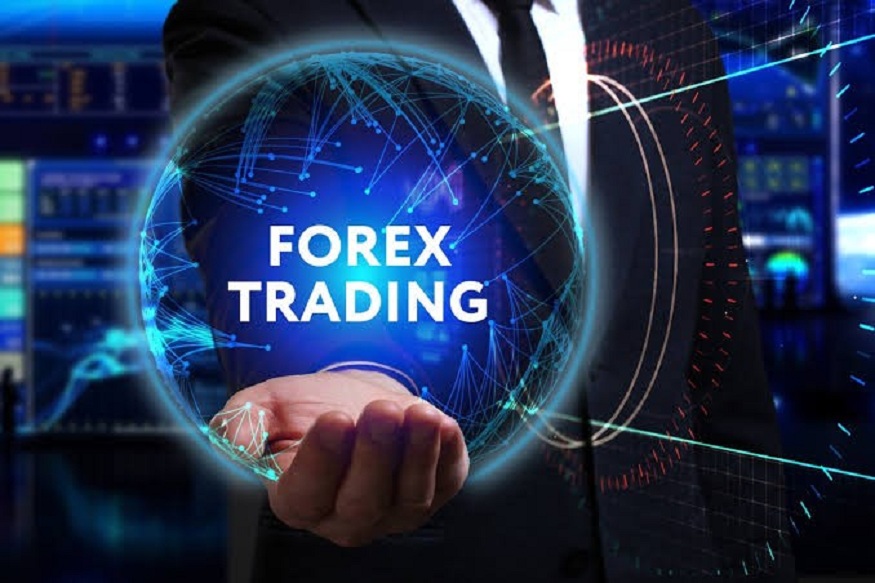
Forex trading allows individuals and institutions to speculate on changes in currency exchange rates. Because currencies are traded globally twenty-four hours a day during the trading week, the market responds constantly to economic developments from around the world. Popular currency pairs involving the pound, including GBP/USD and GBP/EUR, often experience significant price swings during periods of economic uncertainty.
Many newcomers are exploring educational resources to better understand the market before trading. Learning concepts such as leverage, technical analysis, market liquidity, and economic indicators has become increasingly important for traders entering the forex space. Resources explaining what is forex trading help individuals gain a clearer understanding of how currency markets operate within Britain’s financial system.
Financial experts and regulatory bodies consistently encourage responsible trading practices. The Financial Conduct Authority has repeatedly highlighted the risks associated with leveraged products and speculative trading. While forex trading can provide flexibility and access to global markets, experienced professionals often stress the importance of preparation, risk management, and realistic expectations before committing capital.
Managing Risk During Volatile Market Conditions
Currency volatility can create trading opportunities, but it also increases exposure to losses. This is why experienced traders often place risk management at the centre of their strategy. Using stop-loss orders, controlling position sizes, and avoiding excessive leverage are widely recommended practices for protecting capital during unpredictable market conditions.
Economic calendars also play a major role in trading preparation. Events such as inflation announcements, interest rate decisions, and employment reports frequently trigger large movements in currency prices. Traders who prepare for these releases are often better positioned to respond calmly and strategically rather than emotionally reacting to sudden market swings.
Professional traders commonly combine technical and fundamental analysis to strengthen decision-making. Technical analysis focuses on price trends, chart patterns, and support or resistance levels, while fundamental analysis evaluates broader economic conditions and policy changes. Together, these approaches can help traders develop a more balanced understanding of market direction during uncertain periods.
The Importance of Emotional Discipline in Forex Trading
One of the most challenging aspects of forex trading is managing emotions during periods of rapid price movement. Fear and greed often influence decision-making, especially when markets become highly volatile. Traders who react impulsively to short-term market changes frequently expose themselves to unnecessary risk.
Successful traders typically rely on structured trading plans rather than emotional reactions. Establishing clear entry and exit strategies, defining acceptable risk levels, and maintaining consistency are all considered essential habits within professional trading environments. Discipline often becomes more valuable than prediction when markets move unpredictably.
Patience also plays an important role in long-term trading success. Many beginners enter the forex markets expecting fast profits, influenced by unrealistic portrayals of trading online. In reality, experienced traders understand that building consistency takes time, practice, and continuous learning. Accepting occasional losses as part of the process can help traders maintain a healthier and more sustainable approach.
Conclusion
Britain’s changing economic climate has made currency markets more active and unpredictable than ever before. Inflation pressures, interest rate changes, and global uncertainty continue shaping the value of the pound, creating a challenging environment for traders at every experience level. In this setting, understanding how economic events influence currency movements has become increasingly important.
Forex trading can offer meaningful opportunities, but it also demands careful preparation and responsible decision-making. Traders who focus on education, disciplined risk management, and emotional control are often better equipped to handle periods of market volatility without making impulsive choices.